
Water Repellent That Lets Old Brick Breathe
A penetrating repellent cuts how much rain soaks into a chimney's brick without sealing moisture in behind it. Typically $150 to $820, and applied only to sound masonry.
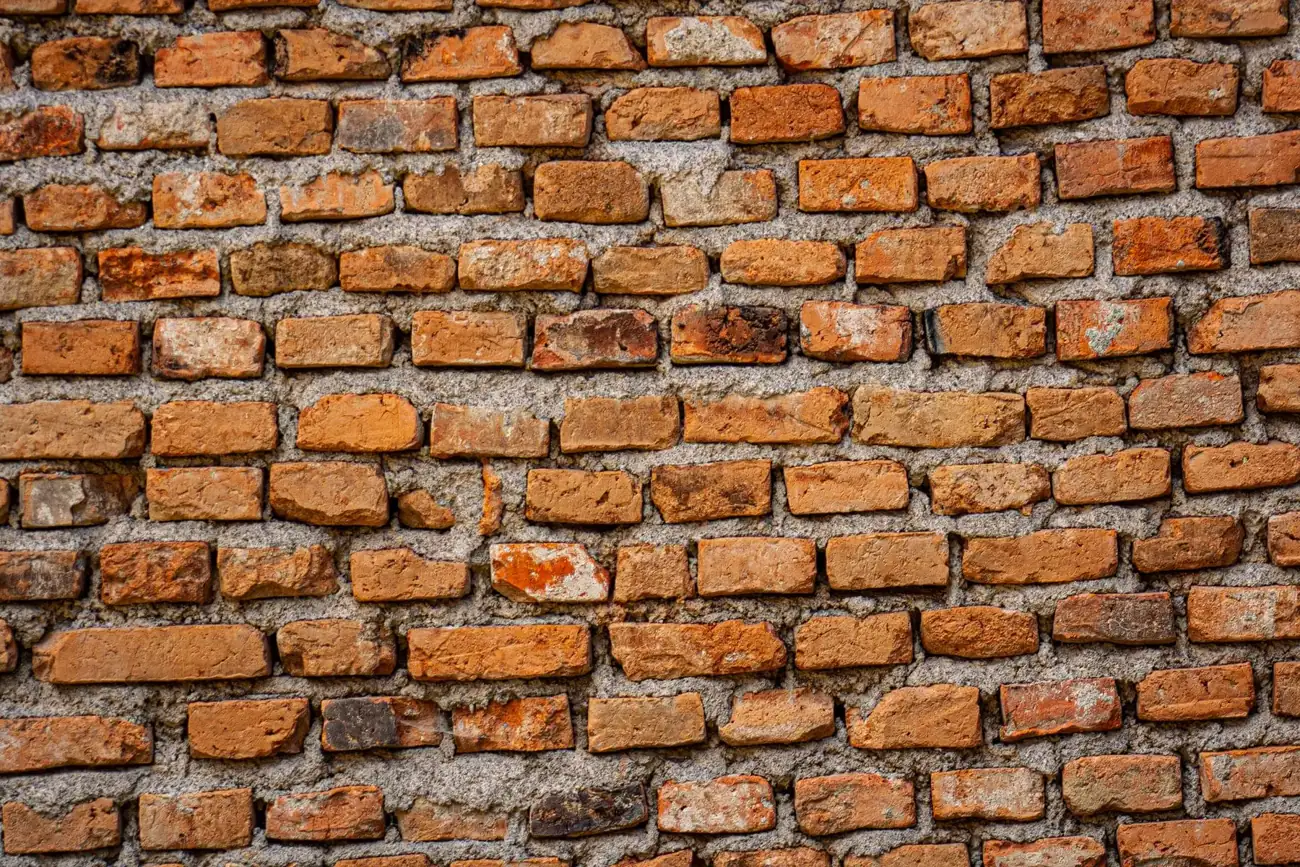
Most of the brick in Philadelphia was made by local yards, and the city's Rowhouse Manual describes how it behaves: the fired outer face is the durable part, and the inside of the brick is much softer. While that face is intact, the brick sheds most weather. Once rain soaks in and freezes, the face can pop off, and the soft core underneath breaks down far faster. A chimney gets the worst of this, standing above the roof with nothing to shelter it.
A breathable repellent soaks into the pores of brick and mortar so rain beads up instead of soaking in, yet moisture already in the masonry can still dry out. It leaves no film and no shine. It does not fill cracks or open joints, so on most chimneys it is the last step after the crown, flashing and pointing are fixed, never a substitute for them.
When to call
- Brick that stays dark for days after rain
- White salt streaks (efflorescence) down the stack
- Flaking brick faces, or brick crumbs on the roof
- A damp patch on the chimney breast indoors after storms
- Green serpentine or soft stone that has started to scale
The visit, step by step
- Free inspection of the stackWe check every face for open joints, spalled brick, a cracked crown and loose flashing, and photograph each one.
- Fix the openings firstAny repair is priced separately and done first, so the repellent is never asked to stop an active leak.
- Wait for dry masonryWe book the coating for a dry spell above freezing, because the product only soaks into dry brick.
- Saturate each faceWorking top down, with the roof, siding and windows protected, we apply until the brick stops absorbing.
Why not paint, tar or a glossy sealer
The National Park Service's Preservation Brief 2, written for historic masonry, wants repair materials to be weaker than the surrounding brick and to let moisture pass more freely. The same logic applies to anything put on the surface: water has to be able to leave the wall. A film coating stops rain at the face but also traps the moisture that arrives from inside, from a furnace or water heater flue, from the roof and from below. When that trapped water freezes, it pushes the brick face off from behind.
The Historical Commission's Diamond Street manual says the same about chimneys in particular: covering them with tar, cement or stucco is not recommended. A breathable, penetrating repellent is a different product from any of those, and it is the only kind we put on soft brick or stone.
Serpentine and soft stone in Chester County
West Chester and the townships around it have buildings faced or trimmed in green serpentine from local quarries. The NPS technical note on replacing serpentine describes it as fibrous rather than tightly consolidated, quick to absorb water, prone to breaking down through freeze-thaw cycles, sensitive to acid, and no longer quarried for exterior use. On a serpentine or serpentine-trimmed chimney, keeping water out is worth the effort. Repellent helps only on stone that is still sound and only with a product suited to it, and acidic cleaners are off the table. Where the stone has already failed, repair comes first.
Where a repellent earns its cost
Weather is not the same across our area. NOAA's 1991–2020 normals give Center City about 62 nights a year at or below freezing and about 16 inches of snow. West Chester averages about 131 freezing nights and 30.5 inches of snow, and Coatesville close to 32 inches. A chimney in the outer suburbs goes through more freeze cycles with more water in it, and that is where a repellent pays off most. In the city, tall stacks that take wind-driven rain on an exposed side benefit too.
Repellents wear down with sun and weather. On later visits we see whether rain still beads up on the brick; once it soaks in again, it is time to reapply.
Cost and historic review
A breathable water repellent usually costs $150 to $820 in 2026; stack height, roof pitch and the amount of exposed masonry set the figure. In a Philadelphia historic district, cleaning and pointing count as alterations under the Historical Commission's rules. A clear coating is not named in those rules, so ask Commission staff (215-686-7660) whether it needs review before we apply it. Outside the city, we check what your township or borough requires.
Answers
Breathable Waterproofing questions
Is chimney waterproofing really worth it?
On sound brick that takes a lot of weather, yes: it cuts how much water the masonry absorbs, and less water means less freeze damage. On a chimney with a cracked crown or open joints, no coating will help until those are fixed.
What is spalling, and will a sealer stop it?
Spalling is the outer face of a brick or stone flaking or popping off, usually because water inside froze. A breathable repellent can slow new spalling on sound brick. Bricks that have already lost their face need to be replaced or repaired.
Is winter a good time to waterproof a chimney?
Not well. The repellent only soaks into dry brick above freezing, so coating waits for a dry stretch between spring and early fall. A repair that stops a live leak can usually go ahead earlier.
Does the Historical Commission review chimney coatings?
Pointing and cleaning are reviewed alterations on designated Philadelphia properties. Coatings are not named in the rules, so check with Commission staff at 215-686-7660 first. We can help you prepare photos of the chimney and the product details.
Should the chimney be repointed before it is waterproofed?
Yes, when the joints are open or sunk back. Repellent does not fill gaps. We repoint first with a mix weaker than the brick, the Park Service's advice for older masonry, then coat after it cures.
Same family of jobs
Brick, stone, water and rebuilding

Schedule
Choose a morning or an afternoon.
Sunday through Friday, arrival between 8 and 11, 11 and 2, or 2 and 5. The look costs nothing, and a person phones you the day before.