Gas Inserts for Old Wood Fireplaces
A direct-vent gas insert fits into the existing firebox, pulls in outside air and sends exhaust out through liners run up the chimney, so it heats the room instead of the sky. Usually $2,000 to $5,000, fitted and connected.
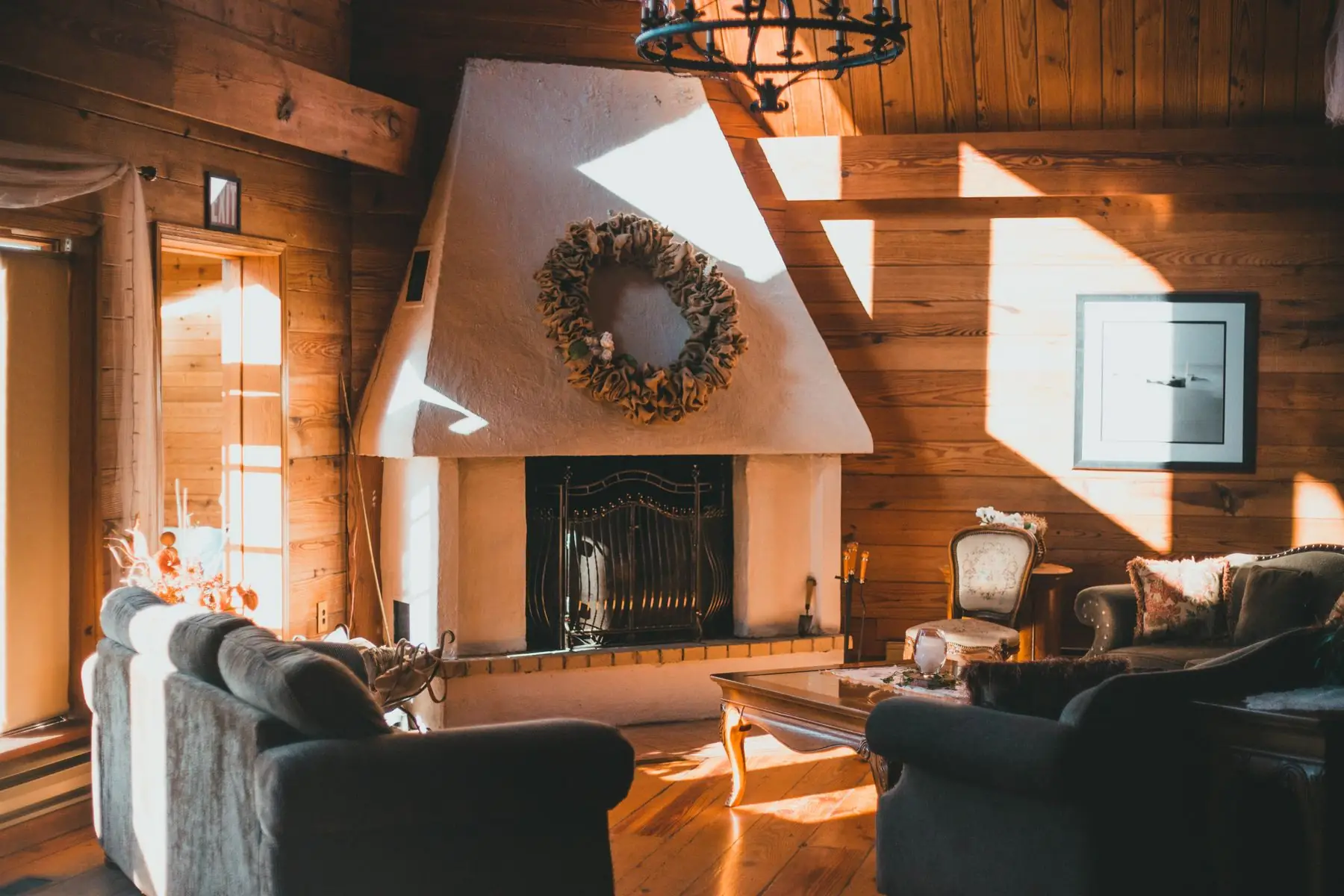
An open wood fireplace in a Philadelphia twin or a Main Line stone house is lovely for a handful of nights a year. The rest of the time it is a hole in the house. Gas is already in most homes nearby: about 70 percent of Philadelphia homes heat with it, and more than 60 percent in Lower Merion and in Wayne, according to the Census. A sealed gas insert uses that supply to turn the fireplace into a heater you switch on.
An insert is essentially a firebox in a steel box. It slides into the masonry opening, and two flexible liners run from it up the chimney, one bringing outside air in and one carrying exhaust out. Because combustion is sealed off from the room, warm air stays in the house, the old damper no longer matters, and there is no smoke or ash to deal with.
When to call
- A wood fireplace that sits idle because of the ash or the cold air
- A cold room around the fireplace in winter
- A firebox or flue that needs repair before more wood fires
- Gas already in the house for heat, cooking or hot water
- An older gas log set you want to replace with real heat
The visit, step by step
- Measure and quote, freeFirebox and flue get measured, the chimney's condition is checked, and look at how gas can reach the fireplace.
- Prepare the chimneyThe flue is examined and swept of old wood soot, as the code asks before a gas appliance connects, and any damage is noted.
- Gas line and permitsGas line and liner work are priced at the visit. In Philadelphia an appliance install takes a mechanical permit; elsewhere we check what your township or borough requires.
- Set, connect, testThe insert goes in, the liners run to a cap at the top, and we light it, check the flame and walk you through the controls.
What the code asks when wood becomes gas
Pennsylvania has used the 2021 International Residential Code since January 2026. Before a gas appliance connects to a chimney, Section G2427.5.5 asks that the passage be examined, and cleaned if it vented wood or another solid or liquid fuel. G2427.5.2 lists acceptable linings for gas: clay tile, a UL 1777 listed liner, or material rated to 1,800°F. G2427.5.6.1 forbids connecting a gas appliance to a flue that also serves a wood-burning one, so if the chimney has a second flue for a wood stove, the insert needs its own passage.
A direct-vent insert settles the lining question by bringing its own liners. The old masonry flue becomes a chase for them, and the space around those liners is left empty, as R1003.12.2 requires.
Historic houses and the top of the chimney
In a Philadelphia historic district, the visible part of an insert job is the chimney top. The Historical Commission's Diamond Street manual says metal B-vents sticking out of chimneys are not approved and suggests a metal liner cut below the brick instead. We end the liners under a low cap for that reason and help you prepare photos and a scope if review is needed. Indoors, the insert's surround can be sized to leave an old mantel and hearth as they are.
What an insert costs
Expect $2,000 to $5,000 for a vented gas insert put in during 2026, per HomeGuide's national cost data, with the unit's size and features driving most of the difference. Running a gas line to the fireplace and any extra liner work are priced at the visit, since both depend on the house. The measuring visit is free, and you see a written price before anything is ordered.
Answers
Gas Inserts & Wood-to-Gas questions
Who can install a gas fireplace insert in Philadelphia or Media?
We install vented gas inserts across Philadelphia, Delaware County including Media, and the rest of SE PA. In Philadelphia the appliance install takes a mechanical permit; in the suburbs we check what the township or borough requires.
Will a gas insert need its own liner?
Yes. A direct-vent insert breathes through its own pair of liners, which run from the unit to the chimney top. The old flue is examined first, and cleaned if it carried wood smoke, before anything is connected.
Can a gas insert share the chimney with my furnace?
Not through the same passage. The insert uses its own liners, and the furnace keeps its own flue. Code forbids any gas appliance from connecting to a flue that serves a wood-burning appliance.
Will a gas insert actually heat the room?
That is its purpose. Because combustion is sealed and outside air feeds the fire, room air is not pulled up the chimney the way it is with an open fireplace. Size it to the room at the measuring visit.
Do I have to give up my old mantel?
Usually not. The insert fits the firebox opening, and its surround can be chosen to frame the existing mantel and hearth.

Schedule
Choose a morning or an afternoon.
Sunday through Friday, arrival between 8 and 11, 11 and 2, or 2 and 5. The look costs nothing, and a person phones you the day before.